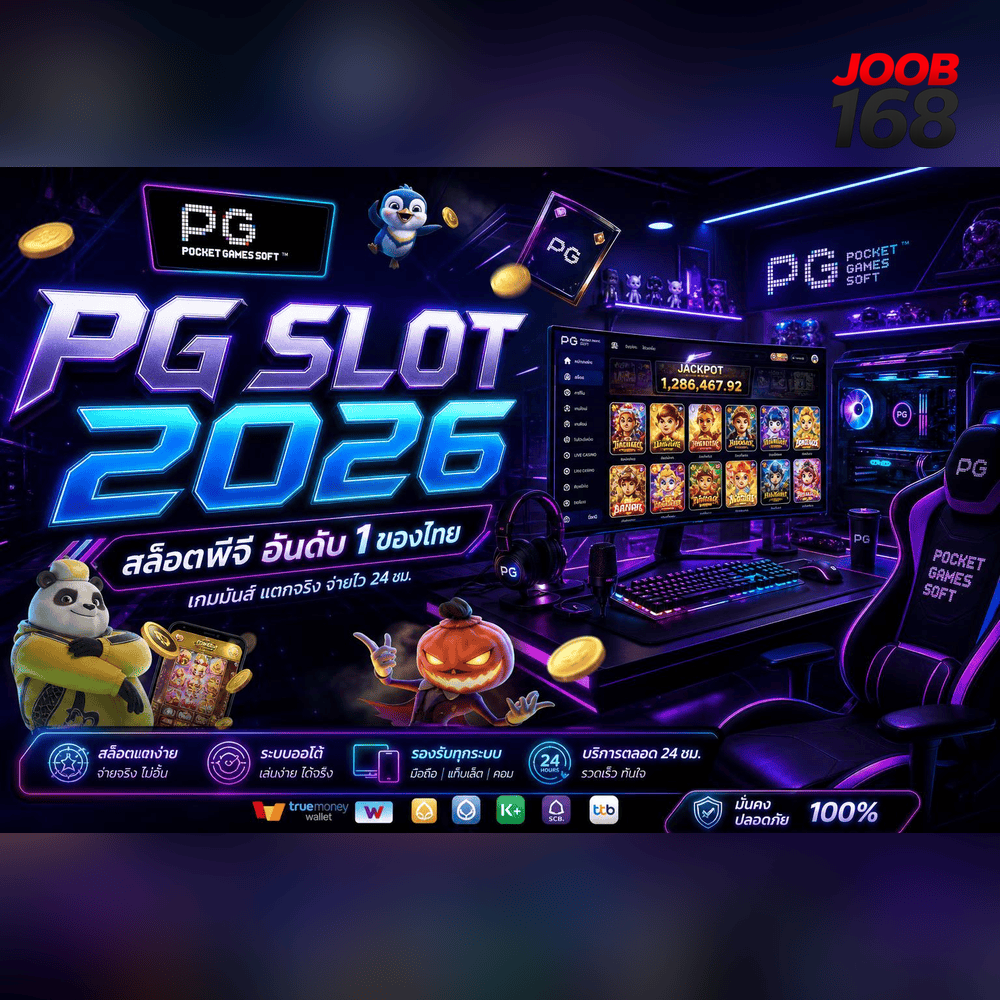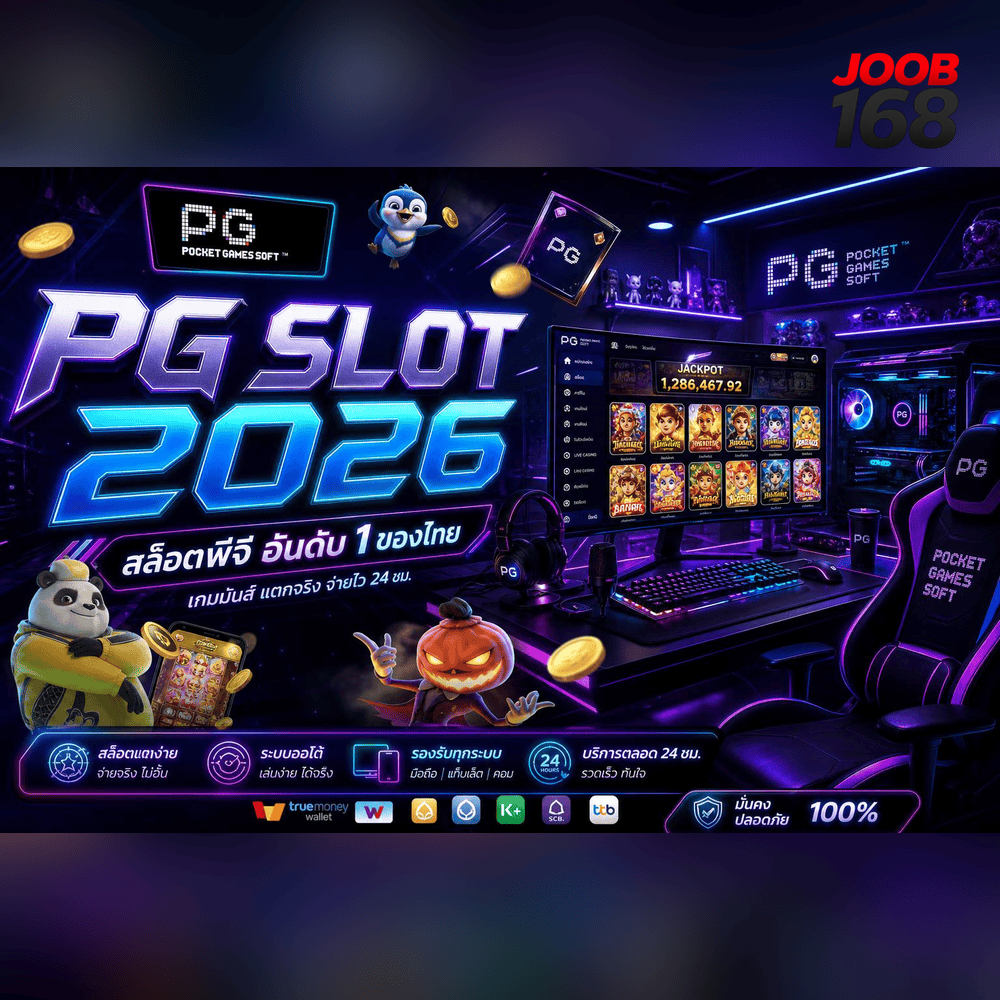
Myth: if an ad looks flashy or mentions a bonus, it must be breaking the rules. Reality: gambling advertising is allowed in many places, but it has extra guardrails compared with general consumer ads, especially around who sees it, how offers are described, and the overall tone.
That tempting post you scroll past—what’s actually happening?
Scenario: you see a bright social post touting “free spins” beside a photo of smiling friends, with a footnote you can barely read.
Analysis: rules typically focus on audience protection and clarity, not aesthetics. A colorful image is not the problem by itself. The real questions are whether the ad reaches adults only, whether “free” is accurately described with all material conditions, and whether the message avoids implying gambling is a solution to money stress. Judging the ad on looks alone is not enough; verifying who it targets and what it promises is far more useful.
Who ads may talk to—and who must be left out
Gambling ads are generally expected to avoid minors and vulnerable groups. This goes beyond a simple “18+” sticker. Practical measures can include age-gating tools, avoiding youth-oriented themes, and steering clear of placements where a significant portion of the audience is likely underage. Compared with many consumer products, the bar for audience suitability is higher because gambling carries financial and wellbeing risks.
Useful before you judge: evidence of age targeting, placement choices, and whether the imagery or language is likely to appeal to children. Not enough on its own: a single maturity disclaimer without any sign the audience was filtered or the context was appropriate.
Claims, odds, and “free” offers that must be spelled out
Misleading or exaggerated claims are a red flag. Ads should not suggest guaranteed wins, easy riches, or risk-free play. When promotions are mentioned, material terms—like play-through requirements, eligibility, time limits, and withdrawal conditions—should be stated clearly where the offer appears, not buried far away.
Think of this compared with general retail advertising: a clothing sale can headline “50% off” with a small asterisk and still be acceptable if the exclusions are minor. Gambling promotions, by contrast, usually demand fuller on-the-spot clarity because the conditions materially affect potential losses and the chance of using the offer as expected.
Useful before you judge:
For a related explanation, continue with How House Edge and Variance Undercut the Idea of Gambling as Income.
- Whether the ad avoids promising profit or “risk-free” outcomes.
- Whether key terms (wagering requirements, caps, deadlines, eligibility) are visible where the claim is made.
- Whether any probabilities or examples are illustrative rather than presented as certainties.
Not enough on its own:
- A headline word like “free” without immediate terms.
- A link to lengthy terms that contradict the headline in important ways.
- Testimonials or screenshots that imply typical success without context.
Responsible tone vs hype—what better messaging looks like
Responsible messaging treats gambling as entertainment, not a financial plan. Ads should avoid implying that playing will fix debts, change your lifestyle, or make you more attractive or successful. Balanced messages often include reminders about legal age, setting limits, and playing for fun. Tone matters: urgency and “don’t miss out” pressure can push risky choices if not handled carefully.
Compared with many consumer categories, gambling promotions are expected to include more caution and less “life-upgrade” language. A neutral, factual style that highlights eligibility and limits typically signals stronger compliance.
Responsible-gambling reminder: only gamble what you can afford to lose, set time and spend limits, and take breaks. If gambling no longer feels like entertainment, consider pausing and seeking professional support available in your region.
Creators and influencers come under the same spotlight
Influencer content is advertising when there is payment or other benefit. The same rules apply: clear disclosure, adult audiences, no misleading claims, and no glamorization that suggests gambling improves status or income. A casual, personal tone does not remove these duties. If an influencer’s following includes many minors, promoting gambling is typically inappropriate even with an age disclaimer.
A quick comparison helps: a tech gadget unboxing by a creator can be informal and still meet consumer-ad norms. A gambling promotion by that same creator likely needs stricter audience filters, explicit disclosures, and careful wording about risks and terms.
Why rules differ by region and how to read them safely
Gambling advertising rules are not identical worldwide. Some places rely on licensing conditions and industry codes, others on detailed legislation, and a few restrict advertising heavily or ban certain formats. Industry bodies also publish standards that influence practice; for example, the American Gaming Association outlines a Responsible Marketing Code for Sports Wagering. These documents set expectations for adult targeting, truthful messaging, and responsible content, though local laws and licenses still control what actually applies to an operator.
Limitations: public ads do not show you the full compliance picture. You cannot always see the platform’s audience filters, the advertiser’s internal checks, or the exact approvals behind a campaign. If you encounter a promotion that later feels unclear—say, a bonus that did not match your reading of the terms—document what you saw and where. Understanding how a complaint can move through support toward a fair review can help; see our guide How do gambling complaints move from support to a fair decision?.
Takeaway: flashy design is not proof of a breach, and a disclaimer alone is not proof of compliance. Before judging, look for adult targeting, accurate and visible terms, and a tone that frames gambling as entertainment. Keep in mind that regional rules vary, and unseen back-end controls may exist. If something still feels off, pause and seek clarification before you engage.